TL;DR
- Buy by cooking job, not by matching set.
- For most households, the best two-pan base is one 10- or 12-inch stainless skillet plus one smaller nonstick skillet.
- Use stainless or enameled cast iron for tomato-, wine-, or lemon-heavy cooking; acid can wear down seasoning on bare cast iron and carbon steel. (all-clad.com)
- If you cook on induction, check compatibility before you buy. ENERGY STAR says the quick test is whether a magnet sticks to the pan. (energystar.gov)
- Treat nonstick as the wear item in your kitchen budget: lower heat, softer utensils, and gentler cleaning help protect the surface. (all-clad.com)
Most cookware waste comes from mismatch, not from owning too little. People buy a full set, then realize one skillet sticks, another is too heavy, and the piece they actually need for weeknight cooking is missing. A better way to shop is to separate pan jobs. Stainless steel handles browning and acidic sauces well, bare cast iron and carbon steel rely on seasoning that acid can wear down, and nonstick tends to last longer when you use it as a specialist instead of asking it to do everything. (all-clad.com)
Use the H.E.A.T. Pan Filter before you buy
The H.E.A.T. Pan Filter is an easy way to evaluate all potential purchases and helps eliminate wasteful spending. The H.E.A.T. Pan Filter stands for Heat, Easy Release, Acid and Tech and Tolerance. If you can find two of your pans that fail on H.E.A.T., those are likely not going to be good purchases for your kitchen.
- Heat: If the job is steak, burgers, mushrooms, or oven finishing, favor stainless, cast iron, or carbon steel. All-Clad says stainless excels at browning and deglazing, and de Buyer positions carbon steel for browning and searing. (all-clad.com)
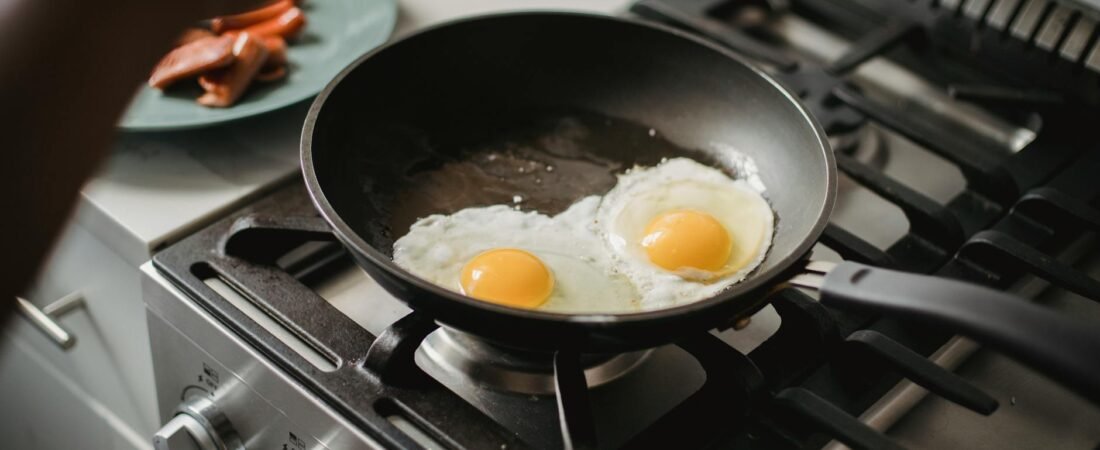
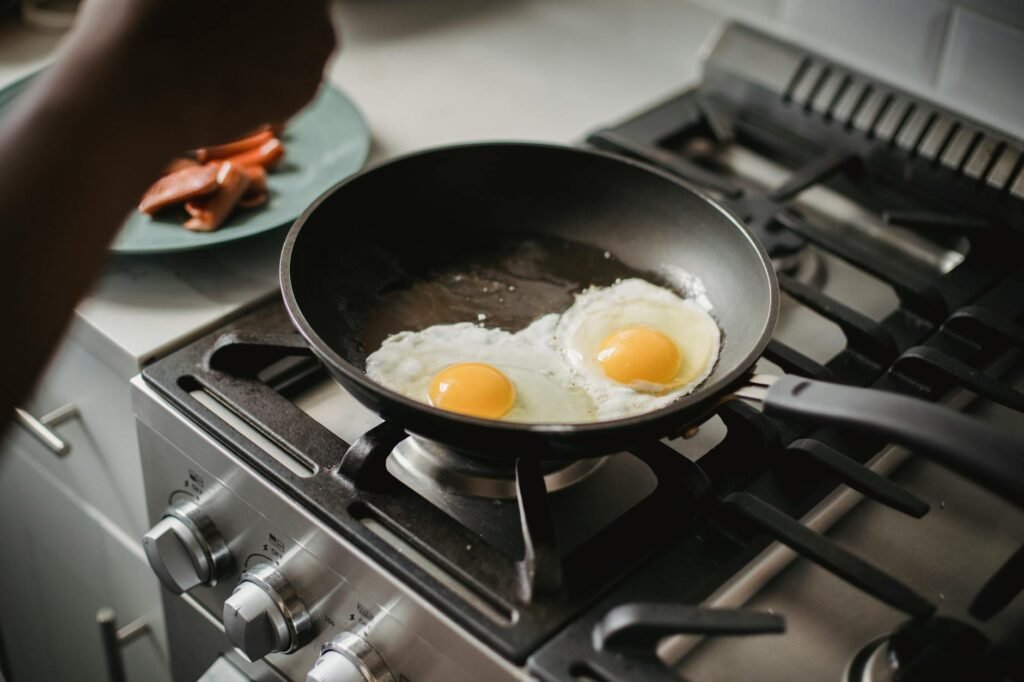
- Easy release: If the meal is eggs, pancakes, or delicate fish, keep one pan dedicated to release. All-Clad’s care guidance says lower heat is best for delicate foods in nonstick. (all-clad.com)
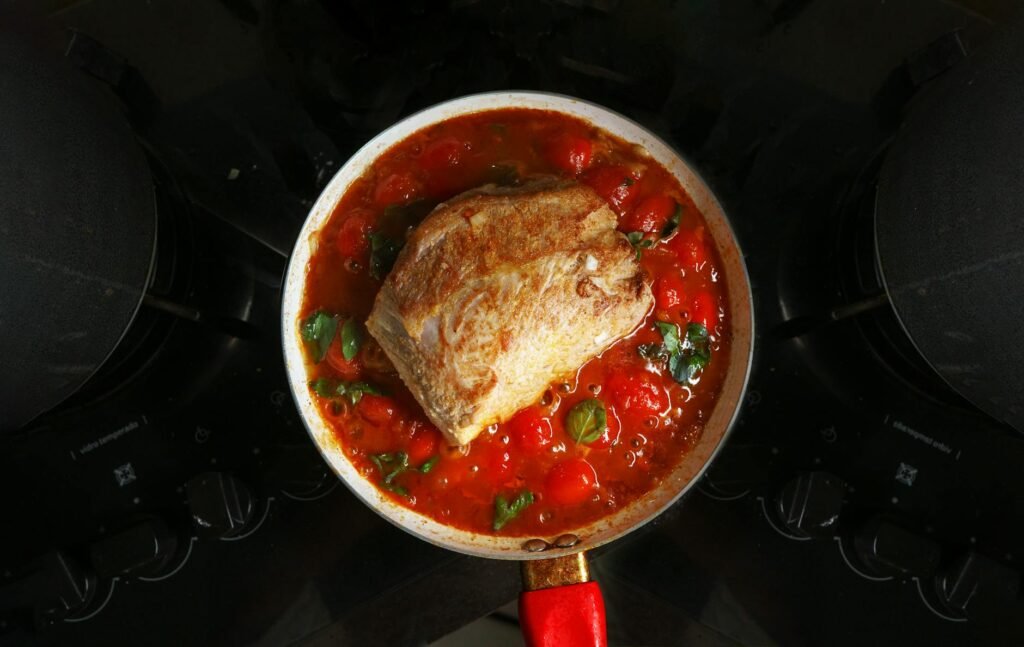
- Acid: If the recipe includes tomatoes, wine, vinegar, or lemon, default to stainless or enameled cast iron. Lodge says acidic ingredients can break down cast-iron seasoning, de Buyer says acid strips carbon-steel seasoning, and Le Creuset says enamel is non-reactive for acidic foods. (lodgecastiron.com)
- Tech plus tolerance: Check stove type and your care habits. ENERGY STAR recommends the magnet test for induction, while All-Clad’s nonstick guidance calls for lower heat, soft utensils, and gentle cleaning. (energystar.gov)
This is a filter that will help ensure you don’t make an impulse purchase because you are buying a cooking utensil based on its look instead of based on whether it meets your requirement for a specific task. An attractive cast-iron frying pan or casserole may not be good value for the money if you mainly prepare pasta sauce that is high in acid and do not like drying your skillets manually. A first-rate nonstick frying pan/casserole may not be worth investing in if what you actually want is frying capability.
The lowest-waste setup for most kitchens
For most households, the smartest base is not a big cookware set. It is two clearly different roles bought separately: one 10- or 12-inch clad stainless skillet as the durable workhorse, and one 8- to 10-inch nonstick skillet for sticky, delicate foods. Make a third purchase only after a repeated job proves it. If you regularly braise or simmer tomato-heavy dishes, that third piece is often enameled cast iron. If you mostly sear, roast, and skillet-bake, it may be cast iron or carbon steel instead. (all-clad.com)
| Cooking job | Best first choice | Good backup | Money note |
|---|---|---|---|
| Eggs, pancakes, delicate fish | 8- to 10-inch nonstick | Seasoned carbon steel | Use it as a specialist pan; makers recommend lower heat and softer utensils. (all-clad.com) |
| Steak, burgers, mushrooms, pan sauces | 10- to 12-inch clad stainless skillet | Cast iron | This is where paying once for a durable pan makes sense; stainless handles browning, deglazing, and acidic ingredients. (all-clad.com) |
| Tomato sauce, shakshuka, lemon chicken, wine reductions | Stainless or enameled cast iron | Deep stainless sauté pan | Skip bare cast iron or carbon steel for routine acidic cooking because seasoning can wear down. (lodgecastiron.com) |
| Cornbread, skillet pizza, hard sear, shallow fry | Cast iron or carbon steel | Stainless if lower weight matters more than heat retention | Buy only after this job repeats in your kitchen. Carbon steel seasoning improves with use. (debuyer-usa.com) |
| Chili, beans, braises, batch cooking | Enameled cast iron Dutch oven | Stainless stockpot or deep sauté pan | Enamel gives cast-iron heat retention without seasoning worries for acidic long cooks. (lecreuset.com) |
What each pan earns you in real life
Stainless steel: the best first purchase for most people
If your budget allows only one good pan, put the money here first. A clad stainless skillet covers the widest range of useful jobs: searing chicken thighs, browning vegetables, finishing pasta, reducing sauces, and handling tomato, wine, or lemon without worrying about seasoning damage. All-Clad describes stainless as non-reactive and especially good for browning and deglazing. (all-clad.com) The financial advantage is durability. When you buy one solid stainless skillet instead of a whole set, you are putting money into the pan most likely to stay in rotation for years.
Nonstick: useful, but only as a limited-duty pan
Nonstick earns its place, but it should rarely be your whole cookware plan. The FDA says certain PFAS are authorized for nonstick cookware and notes the coating is bound to the pan at high temperatures, with negligible migration to food from the finished coating. All-Clad’s care guidance still points to the practical buying lesson: use lower heat, avoid metal utensils, skip aerosol spray oils, and wash gently if you want the surface to last. (fda.gov) That is why the money-smart move is to buy one nonstick skillet for eggs and delicate foods, not a whole nonstick set for every job.
Bare cast iron and carbon steel: great value only if you use their strengths
These pans reward the right cook and annoy the wrong one. Lodge says acidic ingredients such as tomato sauce or lemon juice can break down cast-iron seasoning, especially on newer pans, though short acidic cooks may become easier once seasoning is well established. de Buyer says acidic foods strip carbon-steel seasoning and also notes that not every carbon-steel model is fully oven-safe. (lodgecastiron.com) So the value test is simple: buy cast iron or carbon steel only if you expect to use hard searing, skillet roasting, shallow frying, or skillet baking often enough to justify the care. Carbon steel can be a better fit if you want something lighter and faster-heating than cast iron, but it still asks for seasoning and drying.
Enameled cast iron: a strong third purchase, not usually a first one
Enameled cast iron shines when your cooking leans toward braises, chili, beans, soups, and tomato-based one-pot meals. Le Creuset says enamel is non-reactive and works well with acidic foods such as tomatoes, wine, vinegar, and citrus. (lecreuset.com) The catch is cost and weight. It is often worth the money for batch cooks and weekend cooks, but it is not usually the best first answer for someone who mainly scrambles eggs and sautés vegetables. On a tight budget, stainless usually comes first.
A realistic budget example
Here is an illustrative example. A two-adult household cooks at home five nights a week. Breakfast eggs show up three mornings. Dinner is usually chicken thighs, pasta, tacos, salmon, and one tomato-based meal each week. They are tempted by a 10-piece cookware set for $280 because the per-piece price looks cheap, but several pieces duplicate the same job.
- 10-inch nonstick skillet for eggs and fish: $35
- 12-inch clad stainless skillet for everyday browning and sautéing: $85
- Delay the Dutch oven until they have a month that actually includes braises, chili, or batch soups: $90 later
- Initial spend: $120. Eventual total after the delayed third purchase: $210
That saves $70 versus the set, and the savings are larger if the third piece never proves necessary. The bigger advantage is replacement cost. If the nonstick eventually stops performing like an easy-release pan, they replace only the $35 specialist piece instead of acting as if the whole kitchen needs to be repurchased.
A buying plan that works in a real kitchen
- Audit your last 14 dinners. Mark each meal as high-heat, delicate, acidic, or long-simmer. Buy for the jobs that appear every week, not the aspirational recipe you make twice a year.
- Choose your durable pan first. For most households, that means stainless before anything else.
- Add only one easy-release pan. If eggs or fish show up at least twice a week, buy a small nonstick. If not, wait.
- Check compatibility and care before checkout. ENERGY STAR says the magnet test works for induction, and manufacturer care pages tell you about oven limits, utensil rules, and heat guidance. (energystar.gov)
- Wait 30 days before buying specialty pieces. If you did not miss the pan during a month of ordinary cooking, you probably do not need it.
Tip
The pan that deserves your money is the one that makes Tuesday dinner easier, not the one that looks impressive in a matching set.
Common mistakes that turn cookware into clutter
- Buying a set because it looks cheaper per piece. Extra pieces are expensive if they sit unused.
- Owning three nonstick skillets but no real browning pan.
- Ignoring weight, handle shape, and storage. A pan you dislike lifting becomes dead cabinet space.
- Expecting one pan to handle eggs, steak, tomato sauce, and long oven braises equally well.
- Using bare cast iron or carbon steel as the default for acidic cooking even though both materials can lose seasoning with acid. (lodgecastiron.com)
- Buying vague marketplace cookware with no clear material disclosure, care page, or brand history. The FDA warned in August 2025 that some imported cookware may leach lead into food. (fda.gov)
When the ideal pan still is not the right purchase
The textbook best pan is not always the right buy for your kitchen. If you cook on a glass or induction surface and tend to drag heavy cookware, ENERGY STAR notes those cooktops are vulnerable to scratches and cracking. (energystar.gov) That makes a giant cast-iron skillet a questionable daily driver for some homes. If wrist strain, handwashing fatigue, or cramped storage are constant problems, lighter stainless may outperform theoretically better materials simply because you will actually use it.
- If you hate maintenance, skip seasoned cookware and use stainless plus one small nonstick.
- If you share a kitchen with roommates, teenagers, or anyone who uses metal tools and high heat, do not build your setup around delicate nonstick. All-Clad specifically warns against metal utensils and high heat on nonstick. (all-clad.com)
- If money is tight, buy one stainless skillet now and cook everything else with the saucepan, sheet pan, or Dutch oven you already own.
- If you move often or have limited storage, a 10-inch skillet usually earns space faster than a 12-inch plus several specialty pieces.
How to verify the advice before you spend
- Read the manufacturer’s care page, not just the retailer bullet list. You want the exact oven limit, the actual cooking surface, and the utensil rules. (all-clad.com)
- If induction matters, use the magnet test and confirm the product listing says induction compatible. (energystar.gov)
- Search the brand name plus FDA before buying from unfamiliar import sellers. It takes a minute and can surface safety alerts, and the FDA has already issued cookware warnings in this category. (fda.gov)
- Pressure-test the handle and weight in person when possible. The best-reviewed pan is still a poor buy if it feels unbalanced in your hand.
- Decide the job before the finish. If the product page spends more time on color than material, skip it.
Important
This guide is informational. Always follow the care instructions for your specific cookware, and be extra cautious with unfamiliar imported cookware or vague marketplace listings. (all-clad.com)
Bottom line
The cheapest way to buy cookware is to not buy cheap cookware but rather to buy fewer cookware pieces, with clearer roles. Use most of your budget to buy one quality stainless steel skillet that will hold up over time, keep nonstick cookware as a very small specialty item and only purchase cast iron or carbon steel or enameled cast iron if you specifically need those items. If you do not have a pan that can do a repetitive job, then that pan isn’t a deal.
FAQ
If I can buy only one pan right now, which one should I choose?
For most households, a 10- or 12-inch clad stainless skillet is the best first buy because it handles browning, sautéing, pan sauces, and acidic ingredients better than bare cast iron or carbon steel. Add a small nonstick only if delicate foods are frequent. (all-clad.com)
Do I need cast iron if I already own stainless?
Not necessarily. Add cast iron when you want heat retention for steak, cornbread, skillet pizza, or shallow frying. If you mostly cook tomato-, wine-, or lemon-heavy food, stainless or enamel is the easier default. (lodgecastiron.com)
Is nonstick safe to use?
The FDA says certain PFAS are authorized for use in nonstick cookware and that studies show negligible migration to food from the bound coating. For shoppers, the practical issue is usually care and lifespan: lower heat, gentle utensils, and realistic expectations matter. (fda.gov)
Can I cook tomato sauce in cast iron or carbon steel?
Sometimes, but they are not the easiest default. Lodge says new cast iron is a poor match for acidic recipes, though well-seasoned pans can handle shorter cooks, and de Buyer says acid strips carbon-steel seasoning. If tomato sauce is a regular weeknight meal, stainless or enameled cast iron is simpler. (lodgecastiron.com)
How do I know if a pan will work on induction?
ENERGY STAR says the simple refrigerator-magnet test works: if a magnet sticks to the pan, it is compatible with induction. Cast iron, many stainless pans, and enameled cast iron often qualify, but always confirm the listing too. (energystar.gov)
When is a cookware set actually worth buying?
Value is when the pieces fit your real meal pattern and you would have purchased most of them anyway. If you save money with a set of pieces but they do not duplicate your existing pieces, then you have a value. You will create clutter if you are talked into purchasing items that you have no use for simply because they were discounted.
References
- ENERGY STAR: Electric Cooking Products – https://www.energystar.gov/products/electric_cooking_products
- Lodge Cast Iron: How to Season – https://www.lodgecastiron.com/discover/cleaning-and-care/cast-iron/all-about-seasoning
- Lodge Cast Iron: 3 Tips for Cooking Acidic Foods in Cast Iron – https://www.lodgecastiron.com/blogs/story/3-tips-for-cooking-acidic-foods-cast-iron
- All-Clad: Use and Care Guide – https://www.all-clad.com/care-use
- All-Clad: Stainless Steel Cookware – https://www.all-clad.com/cookware/materials/stainless.html
- de Buyer: Carbon Steel Seasoning Instructions – https://www.debuyer-usa.com/pages/carbon-steel-seasoning-instruction/1000
- de Buyer: Mineral B Instructions Page – https://www.debuyer-usa.com/pages/mineral-b-landing-page
- Le Creuset: How to Cook with Enameled Cast Iron – https://www.lecreuset.com/blog/how-to-cook-with-enameled-cast-iron.html?trk_contact=MOR5BII97NSICC78K268B53IFC&trk_link=HFM21FCRPAVKH1VCDIETT487L4&trk_msg=TP8S7NC3SAA454DPGL8CTOLFI4&trk_sid=BQT558TJLP53TQR3QPSGCD4N38
- FDA: Authorized Uses of PFAS in Food Contact Applications – https://www.fda.gov/food/process-contaminants-food/authorized-uses-pfas-food-contact-applications
- FDA: Warning About Imported Cookware That May Leach Lead – https://www.fda.gov/food/alerts-advisories-safety-information/fda-issues-warning-about-imported-cookware-may-leach-lead-august-2025